
How To Become a Concrete Finisher
Concrete finishers help turn a fresh pour into a floor, sidewalk, road, curb or foundation that is ready to use. Their work affects how the surface looks, how it performs and whether it meets the project plan.
The trade can be a good fit if you like hands-on construction work and can make careful decisions under time pressure. A four-year degree is usually not required. Many concrete finishers learn through an apprenticeship or supervised work on a concrete crew.
To learn more about role of a concrete finisher, we spoke with Practice Lead Rick Cirilo who has over 10 years of recruiting experience in the construction industry. He’s helped many job seekers find the construction opportunities that match their skills and goals. Cirilo provided several keen insights about becoming a concrete finisher and what it takes to be successful.
What Does a Concrete Finisher Do?
A concrete finisher spreads, levels and smooths poured concrete with hand and power tools. Depending on the project, the finisher may check forms, guide the placement of concrete, compact the material, shape joints and edges, add a broom or decorative finish, or apply curing compounds. Duties vary by contractor and crew.
Timing matters throughout the pour. Wind, temperature and moisture affect how quickly concrete sets. Finishers watch the surface and choose the right time to use a screed, float, trowel or edger. Acting too early or too late can affect the final surface, so experienced finishers learn to read the material as conditions change.
Concrete Finisher Education and Training
Concrete finishers need some education and training, but unlike plumbers, electricians and carpenters, they typically do not need a trade-specific apprenticeship or certification. A high school diploma or GED is usually enough to get started.
Most concrete finishers learn through a mix of hands-on experience and guidance from experienced crew members. Training covers concrete properties, surface preparation, tool use, jobsite safety and finishing techniques. With experience, workers learn how weather, moisture and timing influence the finishing process.
Apprenticeships are one path into the trade, but they are not always required. Some finishers learn entirely through on-the-job training, while others complete programs that combine paid work with classroom instruction. Requirements vary by employer, project type and job complexity.

How To Start a Concrete Finishing Career
1. Start with an entry-level construction role
Some workers enter the trade as construction laborers or helpers for a concrete contractor. They prepare the site, move materials, clean tools and support the crew during pours. This gives a new worker a close view of the process before taking on finishing tasks.
“From my experience, someone usually starts their career as a concrete finisher working for a concrete subcontractor as a laborer. I’ve had the opportunity to partner with companies that are willing to take individuals with little to no experience in concrete and teach them everything they need to know from start to finish. There’s always the route of going through an apprentice program that larger companies and other organizations offer,” says Cirilo.
2. Learn through supervised work or an apprenticeship
On-the-job training is common. A registered apprenticeship can offer a more structured path that combines paid work with classroom instruction. In either setting, expect to learn concrete properties, tool use, measurements, site safety and finishing methods. Training length depends on the employer, program and type of work.
3. Build experience across different projects
A small sidewalk and a large warehouse slab do not present the same challenges. Work on different surfaces, mixes and weather conditions helps a finisher judge setting time and adjust technique. As your skills improve, you may operate power trowels, handle more detailed finishes or help direct part of the crew.
4. Consider an industry certification
Many employers do not require certification for an entry-level role. After you gain experience, an American Concrete Institute concrete flatwork credential may help you document your knowledge. Check the requirements for the specific credential, employer and location before applying.
Concrete Finisher Skills Employers Look For
Physical Stamina: Finishing often involves lifting, bending, kneeling and working on your feet for long periods.
Hand Control: Steady tool movements help create the specified level, edge and surface texture.
Basic Math: Measurements, grades and material estimates require practical arithmetic and attention to dimensions.
Observation: A finisher must notice changes in the concrete and respond before the working window closes.
Team Communication: Concrete work is coordinated with laborers, equipment operators, truck drivers and supervisors.
Dependability: Crews need workers who arrive ready, follow the pour plan and complete each task safely.
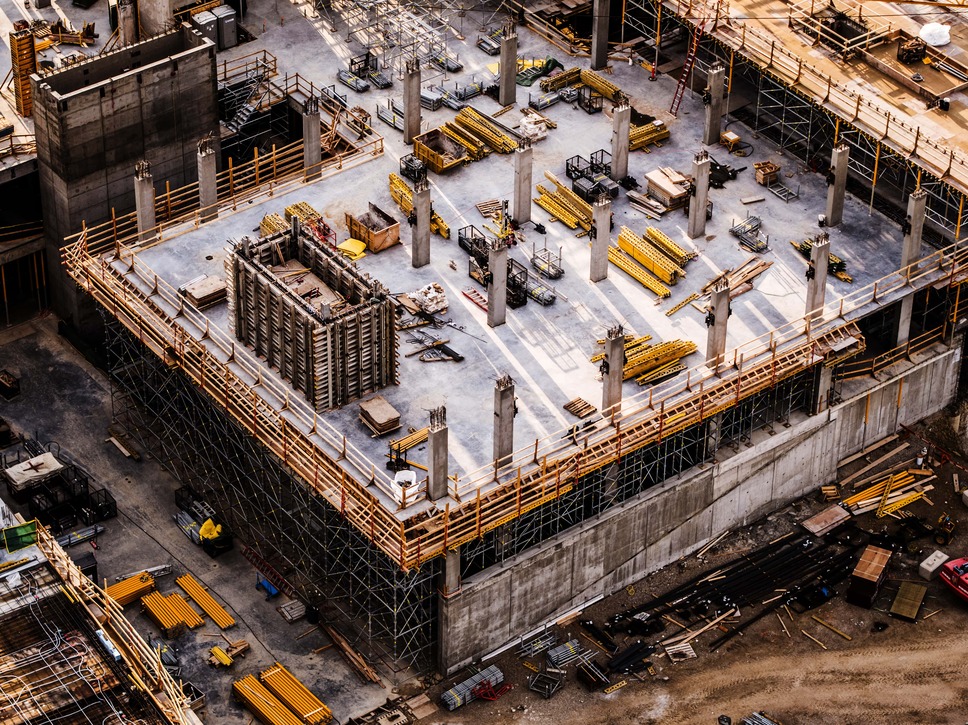
Concrete Finisher Salary and Job Outlook
According to the U.S. Bureau of Labor Statistics, the median annual wage for cement masons and concrete finishers was $57,020 in May 2025. Actual pay varies by location, experience, employer, union status, project type and overtime.
The BLS projects employment for cement masons and concrete finishers to grow 2% from 2025 to 2035. Local construction activity will influence demand, so job conditions can differ from one market to another.
Is Concrete Finishing Hard Work?
“Concrete finishing is an art. The prepping aspect of a concrete job is the most physically demanding considering you’re dealing with raking/shoveling stone, setting the forms, and tying the rebar. The finishing phase of a concrete job is both physically and mentally draining because it’s your responsibility as a concrete finisher to make sure your customer likes the finished product. Whether your finishing concrete to have a smooth/polished surface or textured surfaces. You have to be very precise and passionate about each job you’re doing big or small,” says Cirilo
Concrete finishing is physically demanding and much of the work takes place outdoors. Schedules may start early or change depending on weather and delivery timing. Wet cement, silica-containing dust, power tools and heavy materials also create job-site hazards. Follow site training and wear the protection required for the task. Aerotek's PPE guidelines for manufacturing and construction workers explain common forms of jobsite protection and why proper fit matters.
Career Growth for Concrete Finishers
With experience, a concrete finisher may become a crew lead, foreman or superintendent. Some move into estimating, project management, training or contracting. Learning to read plans, document quality and coordinate a crew can help prepare you for those roles.
Since concrete finishing is not as specialized as something like carpentry, you’re not so locked into a particular career choice and can shift your career as you gain experience. This makes it easier to gain multiple diverse skills, helping differentiate yourself even further, and giving you experience to become a better project manager or leader. Like other trades, you can also go full circle and become an instructor. It’s a very physically demanding job, so later in their careers, they might prefer to transition into more instructional or administrative roles.
Ready to put your concrete skills to work? Explore concrete technician jobs with Aerotek.
Frequently Answered Questions
How long does it take to become a concrete finisher?
There is no single timeline. You may start supporting a concrete crew in an entry-level role, but finishing independently takes supervised practice. The time needed depends on the training path and the range of projects you work on.
Do concrete finishers need a license or certification?
Requirements vary by employer and location. Many entry-level jobs do not require an industry certification, although an experienced worker may pursue an ACI credential to demonstrate concrete flatwork knowledge.
What is the difference between a concrete finisher and a construction laborer?
A construction laborer may handle a broad range of site preparation and support tasks. A concrete finisher focuses on placing, leveling, edging, texturing and checking concrete before it cures. On a smaller crew, the roles can overlap.
Is concrete finishing a good career?
It may suit people who prefer active work, can handle outdoor conditions and want to see a clear result at the end of a project. Before applying, consider the physical demands, schedule and local pay for the role.