
Forklift Operator Staffing: Hiring and Retention Tips
Key Takeaways
Equipment qualifications are important, but differences between manufacturing and distribution operations can affect whether an experienced candidate is the right fit.
2. Broaden hiring requirements without compromising safety
Candidates with shorter but relevant operating histories may be viable, provided they have the skills and experience needed to operate safely.
Clear expectations about daily responsibilities, working conditions and advancement opportunities help employers identify candidates who are more likely to stay.
4. Plan staffing around skills, not just headcount
Understanding equipment-specific qualifications and coverage across shifts helps employers identify workforce gaps before they disrupt operations.
A vacant forklift operator position can quickly become an operational problem. Materials wait to be moved, trucks take longer to load and unload and other employees may need to work overtime to keep orders moving.
Finding a replacement isn't always straightforward. Employers may receive applications from experienced forklift operators but struggle to identify candidates with the right equipment skills, shift availability or familiarity with their operating environment. Meanwhile, competing employers may be pursuing the same qualified workers.
These challenges reflect broader labor pressures across the supply chain. According to the 2026 MHI Annual Industry Report, 58% of surveyed supply chain leaders identified talent acquisition and workforce challenges as a top concern, up from 50% the previous year.
For employers, improving forklift operator staffing requires more than filling vacancies as they arise. It means understanding which skills are essential, finding candidates whose experience matches the work and creating an environment where qualified operators want to stay.
Why Are Specialized Forklift Operator Roles Hard To Fill?
Like many other industrial specialized roles, quality forklift operators are becoming scarcer. Along with a shallow talent pool, the difficulty tends to come down to a few key points.
Equipment Skills Aren't Always Interchangeable
The challenge isn't necessarily finding applicants with forklift experience. It's finding candidates whose skills match the work and who can prosper without extensive additional training.
Experience with one type of forklift doesn't necessarily prepare someone to operate another. Facilities that use reach trucks, order pickers or specialized attachments may struggle to find candidates with the precise skills required.
Previous certifications can provide evidence of training, but they don't establish whether someone has the practical experience to operate the equipment safely under a particular facility's conditions.
Work Environments Create Another Qualification Gap
Even when the equipment is familiar, experience may not transfer easily between manufacturing and distribution operations. Not all forklift experience translates directly between facilities. Differences in equipment, workflows, operating conditions and safety requirements can create skill gaps even among experienced operators.
A candidate accustomed to one setting may need time to adjust to the other. Additional requirements, such as working in extreme temperatures or operating reach trucks at significant heights, can further narrow the pool.
These differences make it important to assess the full scope of a candidate's experience, not just equipment qualifications or years of experience.
Overcome Hiring Challenges with Revised Hiring Requirements
One way to improve hiring results is to distinguish between qualifications an employee must bring to the job and skills that can be developed after hiring.
A generic posting requesting two years of forklift experience may attract applicants who have operated equipment unrelated to the employer's needs. Conversely, requiring extensive experience with every type of equipment could eliminate otherwise qualified candidates.
Before posting a forklift operator job, employers should work with operations supervisors to define:
● Equipment requirements: Which trucks and attachments will the employee operate, and what previous experience is essential?
● Operating environment: Will the employee follow designated routes, work around active production lines, operate at height or handle extreme temperatures?
● Daily responsibilities: How much time will the employee spend operating equipment versus performing material handling or other manual tasks?
● Safety and operating history: What experience and demonstrated safe operating practices are necessary for the position?
These distinctions help recruiters focus on relevant experience instead of relying solely on years of service or previous job titles. They also make it easier to identify candidates who meet essential requirements but may need additional preparation for site-specific procedures.
For example, a candidate who has safely operated a sit-down forklift in manufacturing may be a better fit for another manufacturing position than someone with more years of experience in a distribution environment that involves very different daily responsibilities.

Expand the Candidate Pool Without Compromising Safety
When specialized positions remain vacant, employers may need to reconsider how narrowly they define experience requirements. But expanding the candidate pool shouldn't mean treating forklift operation as a skill that can be taught during a brief orientation.Look Beyond Years of Experience
An operator with one previous forklift position may have the skills needed to succeed, even if an employer traditionally prefers several years of experience. The more meaningful indicators are relevant hands-on experience, safe operating practices and familiarity with comparable working conditions.
Candidates with closely related heavy-equipment experience may also be worth considering when sufficient training and supervision are available. The objective is to recognize transferable skills without overlooking the experience needed to operate safely.
Focus Training on Site-Specific Requirements
Training can help experienced operators adapt to new equipment or environments, but it isn't a substitute for basic operating competency. Safe equipment handling, load management and situational awareness take time to develop.
Employers can build on existing skills by providing instruction in facility layouts, traffic patterns, material-handling procedures and other site-specific expectations. Practical evaluations can then help confirm whether an operator is ready to perform the required work.
This approach gives employers flexibility in sourcing candidates while maintaining the safety and performance standards essential to the position.
Make the Hiring Process Faster and More Focused
Even when qualified candidates are available, inefficient hiring processes can make positions harder to fill. Delayed interviews, inconsistent screening requirements and unclear start dates create opportunities for applicants to accept other offers.
Improving hiring speed starts with more effective screening. Rather than relying on a resume that lists "forklift operator," recruiters should ask candidates to describe the specific equipment they've operated, the environments they've worked in and the responsibilities they've performed.
These conversations can reveal important distinctions. Someone who claims reach truck experience may not be comfortable operating at the heights required by a particular facility. Similarly, a candidate whose previous position involved operating equipment throughout an entire shift may not be interested in a role that combines forklift operation with substantial manual labor.
Look Beyond Certifications to Safety History
Discussing previous operating incidents, equipment damage and operating practices can provide insights that certifications alone cannot, though employers should avoid pre-offer questions about injuries, medical conditions or workers' compensation claims. When possible, and in compliance with applicable law, reference checks should help verify a candidate's operating experience and safety record.
Employers can make the process more efficient by establishing screening criteria in advance, coordinating interviews with operations managers and preparing workplace evaluations and onboarding requirements before candidates are selected.
A more focused process reduces time spent advancing poorly matched candidates while helping qualified operators move into positions more quickly.
Retain Experienced Operators by Addressing Why They Leave
Replacing an experienced forklift operator means losing more than an employee. Employers also lose equipment-specific expertise, familiarity with facility operations and the productivity that comes with experience. Retaining experienced forklift operators should be a priority.
One of the most effective ways to improve retention is to make sure candidates understand the job they're accepting. An operator who expects to spend an entire shift driving a forklift may become dissatisfied with a position that requires spending half the day on manual material handling. Similar problems can arise when employees discover that operating conditions, schedules or physical demands differ from what they anticipated.
Accurate screening and realistic job expectations help prevent these mismatches. Once employees are on the job, employers should focus on three factors that influence whether they stay:
● Workload and working conditions: Persistent overtime, unpredictable schedules, poorly maintained equipment and demanding physical conditions can make otherwise attractive positions difficult to sustain.
● Compensation and recognition: Pay should reflect local market conditions and the skills required. Employers should also consider whether additional equipment qualifications or demanding assignments warrant higher compensation.
● Career and earnings progression: Opportunities to move into specialized picking roles, earn performance-based incentives or advance into shipping and team leadership positions give operators reasons to build their careers with the company.
Clear advancement opportunities can be particularly valuable when upward mobility within the forklift operator role itself is limited. In some facilities, moving from basic forklift operation into higher-level picking responsibilities can provide a meaningful increase in earnings.
Combining competitive pay with opportunities to develop new skills helps employers protect their investment in experienced workers. The result is a more stable workforce and less disruption from recurring vacancies.
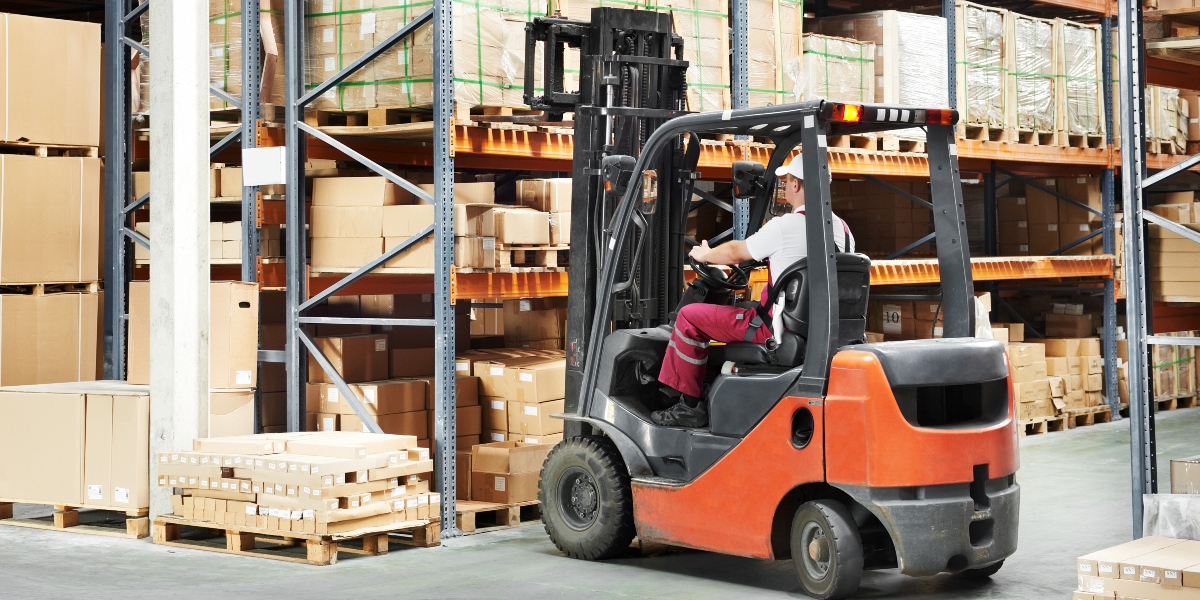
Plan Staffing Around Skills and Shift Coverage
A facility may have forklift operators staffing every shift yet still lack adequate coverage for specialized equipment. If only two employees are qualified to operate that equipment on a particular shift, an unexpected absence or resignation can quickly create a bottleneck.Identify Gaps That Headcount Alone Can Hide
Workforce planning should account for the equipment-specific skills available across shifts, not simply the total number of forklift operators on the payroll.
Comparing anticipated production and shipping requirements with a current inventory of operator qualifications helps employers determine where they have adequate coverage, where additional training could provide flexibility and where external recruiting may be necessary.
This also highlights dependencies that might otherwise go unnoticed, such as relying on a small number of employees for specialized equipment or difficult-to-cover shifts.
Prepare for Production Ramps Before Hiring Becomes Urgent
Seasonal demand, new customer contracts and production increases can create forklift operator staffing gaps even in facilities that normally have adequate coverage. Anticipating these needs gives employers more time to recruit qualified operators and prepare existing employees for additional responsibilities.
When hiring becomes urgent, employers may also need to reconsider experience thresholds. A candidate with a shorter but relevant operating history could be a viable option, provided they demonstrate the necessary equipment skills and safe operating ability.
Tracking equipment-specific coverage gaps, overtime and time to fill specialized positions can help employers evaluate their readiness for changing operational needs. The goal is to address workforce constraints before they disrupt productivity, rather than responding after a shortage has already affected operations.
Build a More Reliable Forklift Operator Workforce
Filling specialized forklift positions requires more than competing for a limited pool of experienced workers. Employers need to understand which capabilities are essential, where requirements can be flexible and how to match qualified operators with positions where they're likely to succeed.
That often requires going beyond job postings to actively identify experienced candidates and evaluate their equipment skills, operating backgrounds and safety histories. A specialized forklift operator staffing partner can help employers reach operators who aren't actively applying for jobs while reducing the burden of screening for difficult-to-fill positions.
Aerotek's industrial staffing and workforce solutions help employers identify qualified talent, address changing workforce requirements and support the operational coverage needed to keep business moving.
Struggling to fill specialized forklift operator positions? Contact Aerotek to discuss your staffing challenges and workforce needs.
Frequently Asked Questions About Forklift Operator Staffing
Why are forklift operators difficult to hire?
Employers often require experience with specific equipment, operating environments and work conditions, which can significantly narrow the pool of qualified candidates.
Does forklift experience transfer between different facilities?
Relevant experience can transfer, but employers should evaluate whether candidates can adapt to differences in equipment, operating conditions and daily responsibilities.
Are previous forklift certifications enough for hiring?
No, employers should evaluate hands-on experience and safety history and confirm that operators can safely perform the work required at their facility.
Which certifications should employers look for in forklift operators?
Look for documented forklift operator training and evaluation that meets OSHA requirements and covers the equipment used at your facility. Because OSHA requires employers to certify that each operator has been trained and evaluated on the equipment and conditions at their workplace, previous certifications should be confirmed against site-specific requirements.
Can employers hire operators with less experience?
Yes, candidates with shorter but relevant operating histories may be viable when they demonstrate the necessary equipment skills and safe operating ability.
What helps employers retain skilled forklift operators?
Accurate job expectations, competitive compensation, manageable working conditions and opportunities for career or earnings progression can help employers retain experienced operators.